Lesson 2: Demand Planning Principles
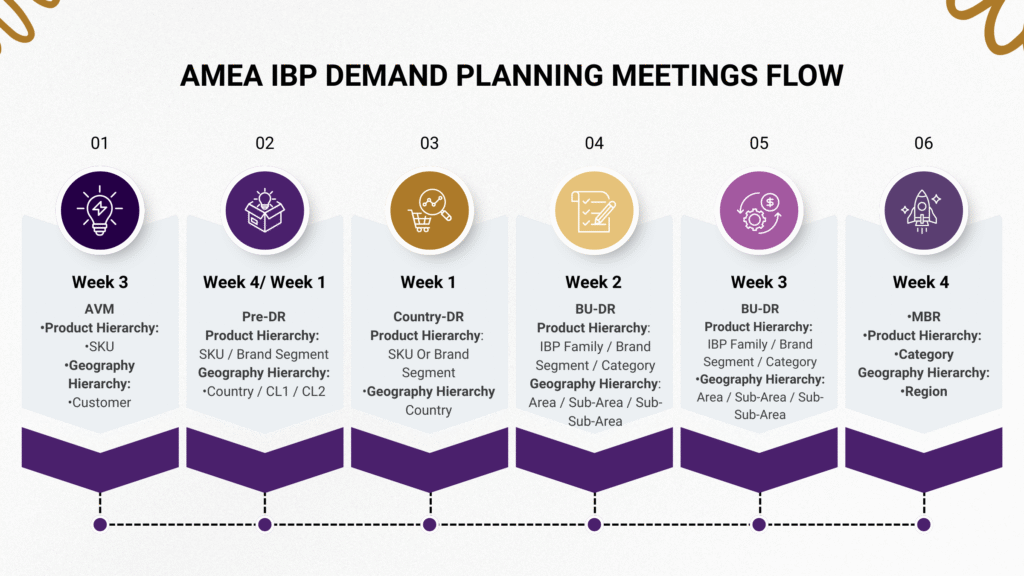
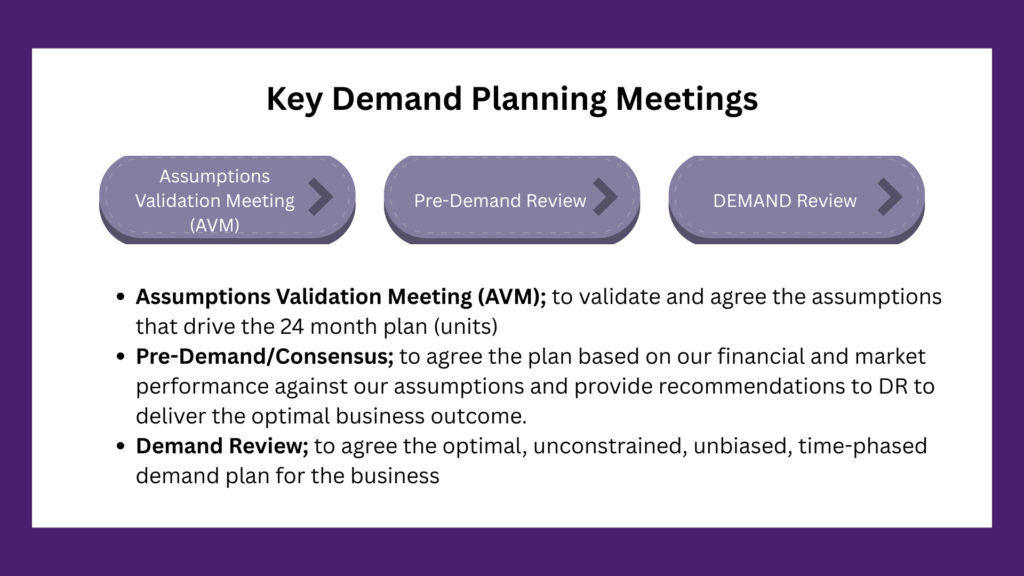
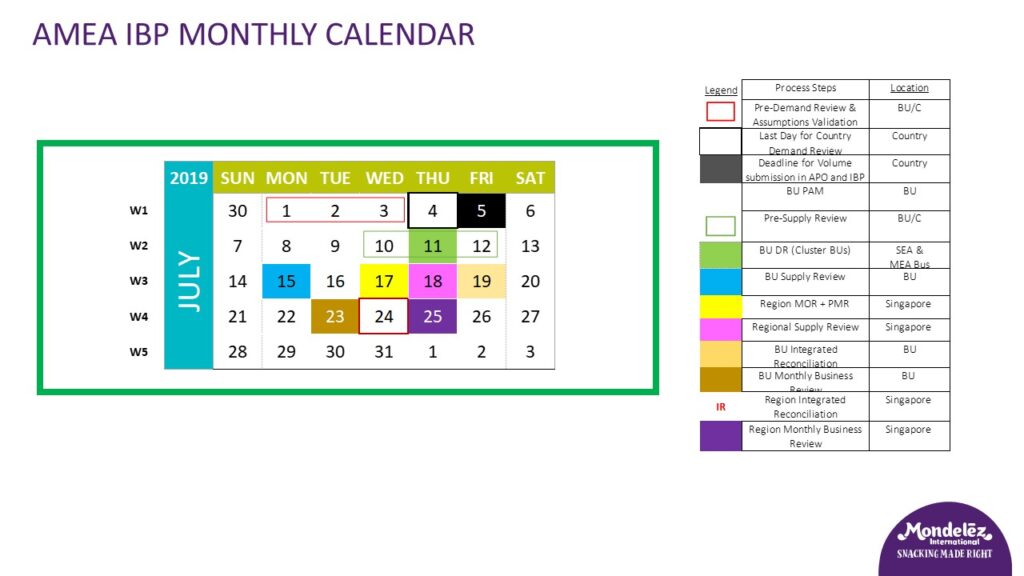
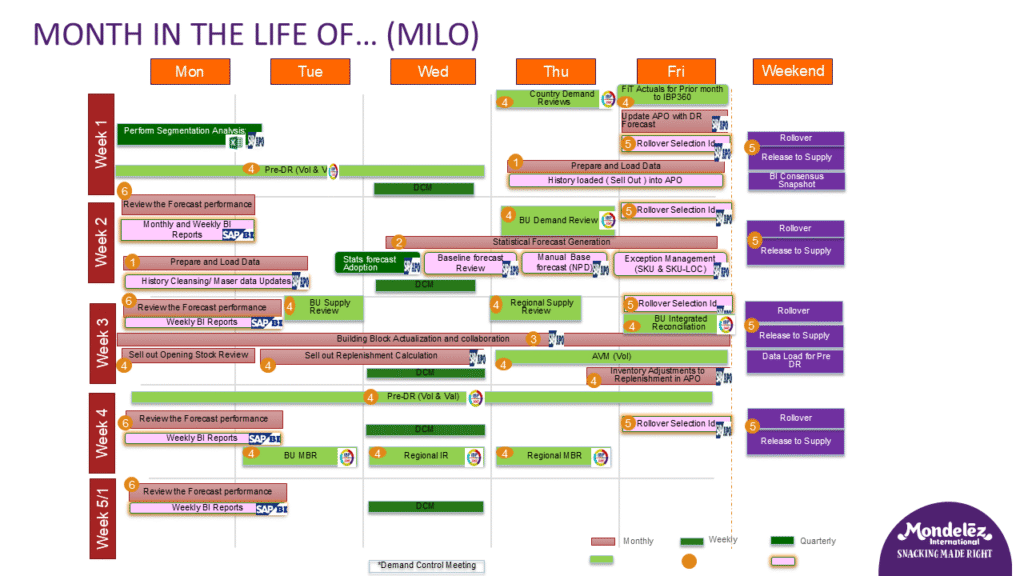
Demand Planner (Country):
- The primary role of the Demand Planner is to establish and refine a demand plan using statistical and analytical tools, intelligence gathering, and internal and external collaboration. The improvement of forecast accuracy and bias metrics are the key business measures used to determine effectiveness and process control.
Demand Manager (Country):
- Manage the demand planning process and lead the Demand Planning team in the production of a forecast of future demand, to ensure that the output of this process is fully integrated into the overall IBP process.
- Identify and implement new business processes and systems that ensure the highest possible forecast accuracy and lowest possible forecast bias, whilst minimising the administration burden, both internal & external to the demand planning team.
- Serve as the critical interface role between the commercial teams (Sales, Marketing and Category Development) and the Supply Chain and Finance teams in providing analysis and insight, and challenging assumptions and beliefs regarding historical and projected performance, so that we can balance supply and demand and ensure the delivery of the business’s financial targets.
Numbers alone are ineffective
Raw data or figures don’t tell the full story on their own. Without context, assumptions, or explanations, numbers can be misleading. For example, sales growth might look strong, but if assumptions about market demand are flawed, the growth may not be sustainable.
What is the thinking behind the numbers
Behind every figure lies a set of assumptions, forecasts, and reasoning. Understanding the logic — such as expected consumer behaviour, competitor response, or pricing strategies — helps reveal whether the numbers are realistic, biased, or overly optimistic.
Determine risks and opportunities and plans to defend or exploit
Numbers should spark discussions about both threats and chances. For instance, if a forecast shows rapid growth, the opportunity might be to expand capacity — but the risk could be overextending resources. Identifying both sides early allows for proactive planning.
Increases trust in the numbers
When assumptions are openly debated and explained, stakeholders are more likely to believe in the numbers. Transparency around how figures were reached builds confidence and reduces the perception of manipulation or guesswork.
Must be documented – Saves time!!
Recording the reasoning, data sources, and assumptions ensures that future reviews don’t require starting from scratch. It prevents confusion when team members change, saves time in explaining decisions later, and allows for easier validation during audits or performance reviews.
Supporting performance metrics
Clear assumptions provide a benchmark for evaluating success or failure. When actual results deviate from assumptions, it’s easier to trace why performance changed. This connection between assumptions and metrics helps organisations learn and improve forecasting accuracy.
- Forecasting is more than prediction — it is about disciplined collaboration across functions, backed by analytics and critical thinking.
- Transparency matters — documenting assumptions and debating them builds trust and saves time later.
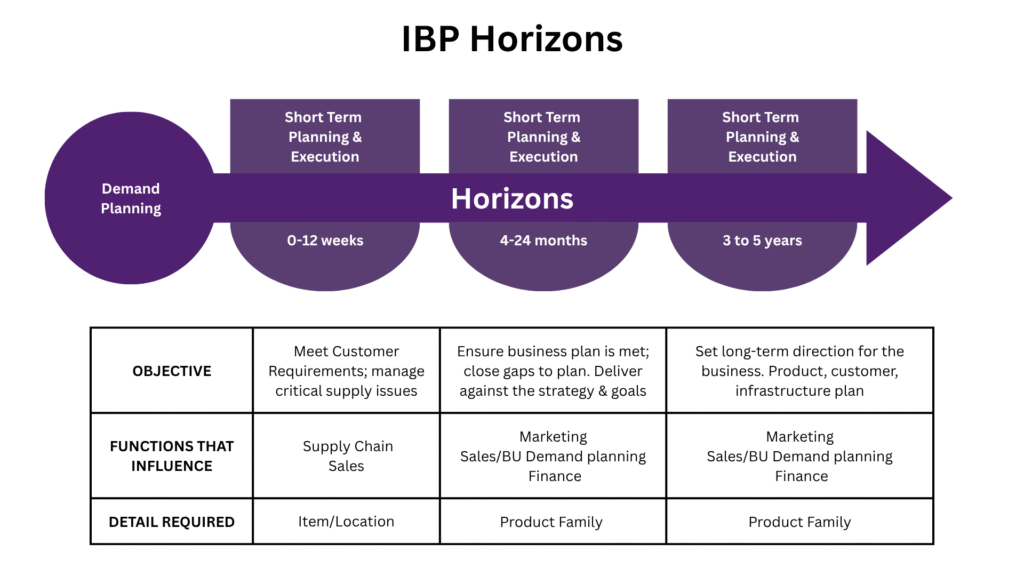
- Flexibility is critical — demand planning operates across different time horizons, meaning businesses must balance tactical execution with strategic foresight.
- Integration drives success — demand planning only works when fully embedded into the IBP process and aligned with commercial, finance, and supply chain teams.
- Preparedness reduces surprises — by tracking risks and opportunities, businesses can avoid being blindsided and instead make proactive, informed decisions.